
Client Referrals
SpinePro works with MSK clinicians, not instead of them.
For physiotherapists, osteopaths, chiropractors, sports therapists, and other MSK clinicians considering onward referral.
You understand your client’s history, how they’ve responded to conservative care, what they can’t do, and where they want to get back to. That insight matters when deciding whether a specialist spinal assessment is worth considering.
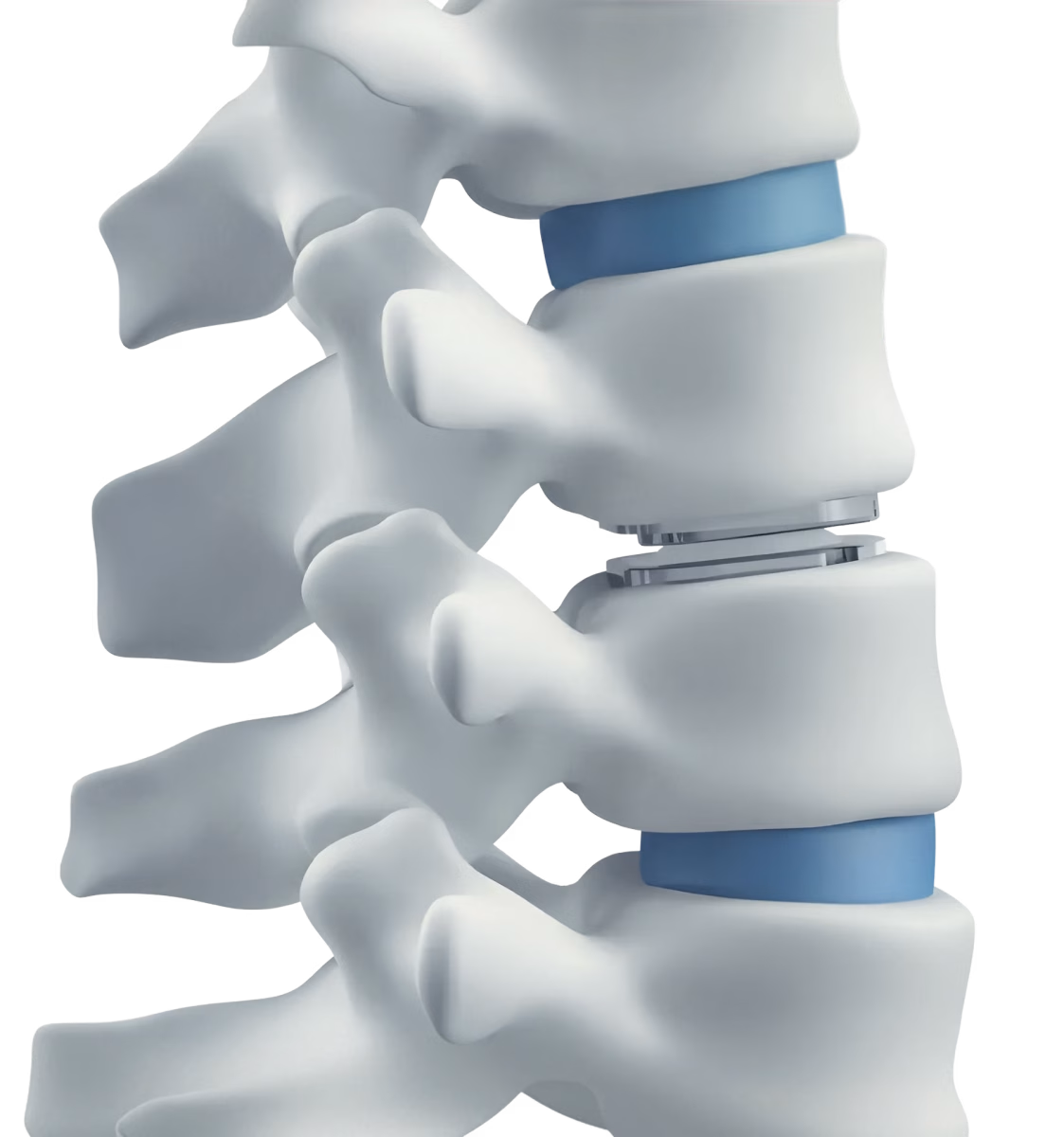
In partnership with CCV Montpellier, we provide access to Prodisc® L total lumbar disc replacement for carefully selected clients with symptomatic degenerative disc disease.
About the Procedure
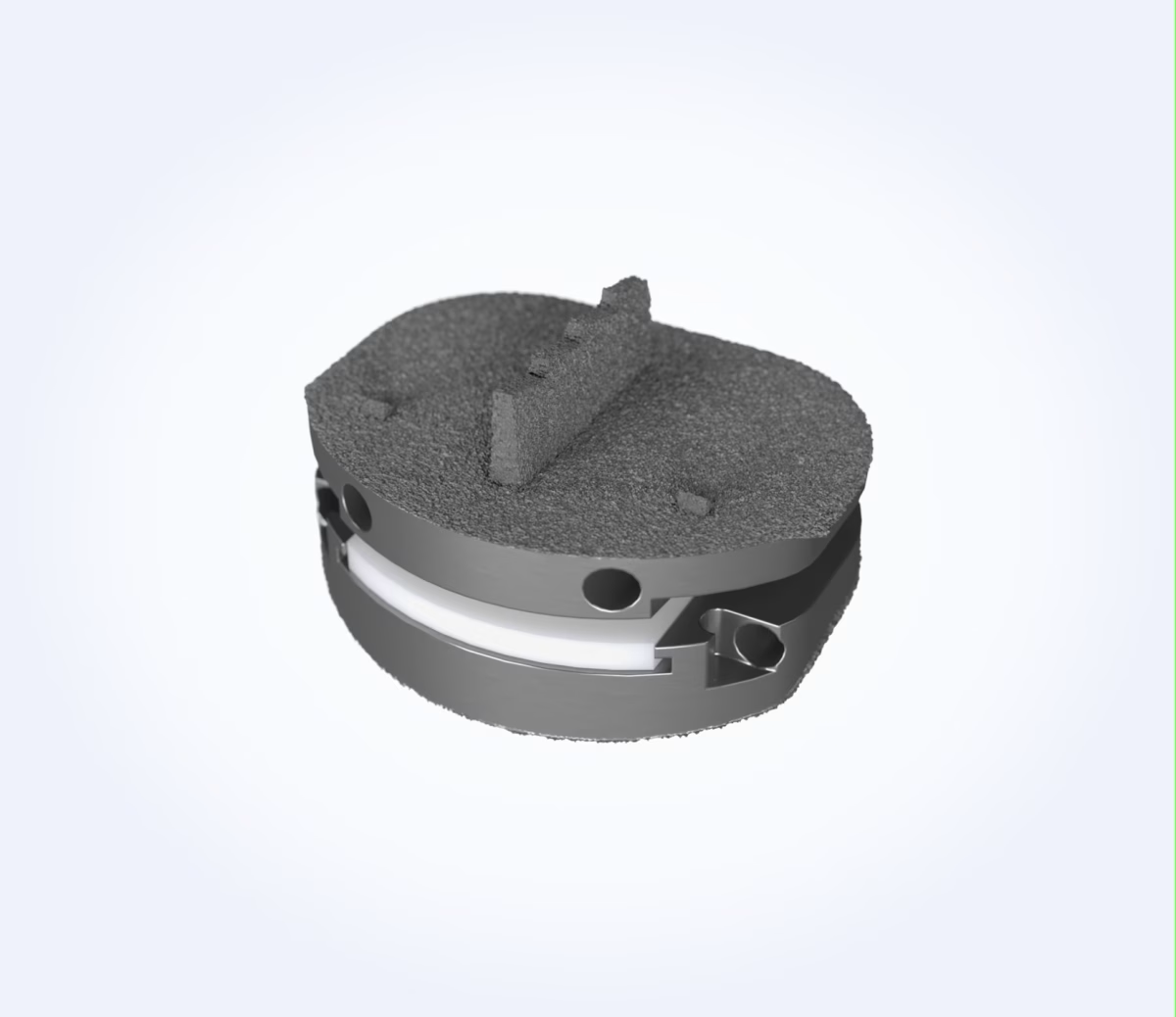
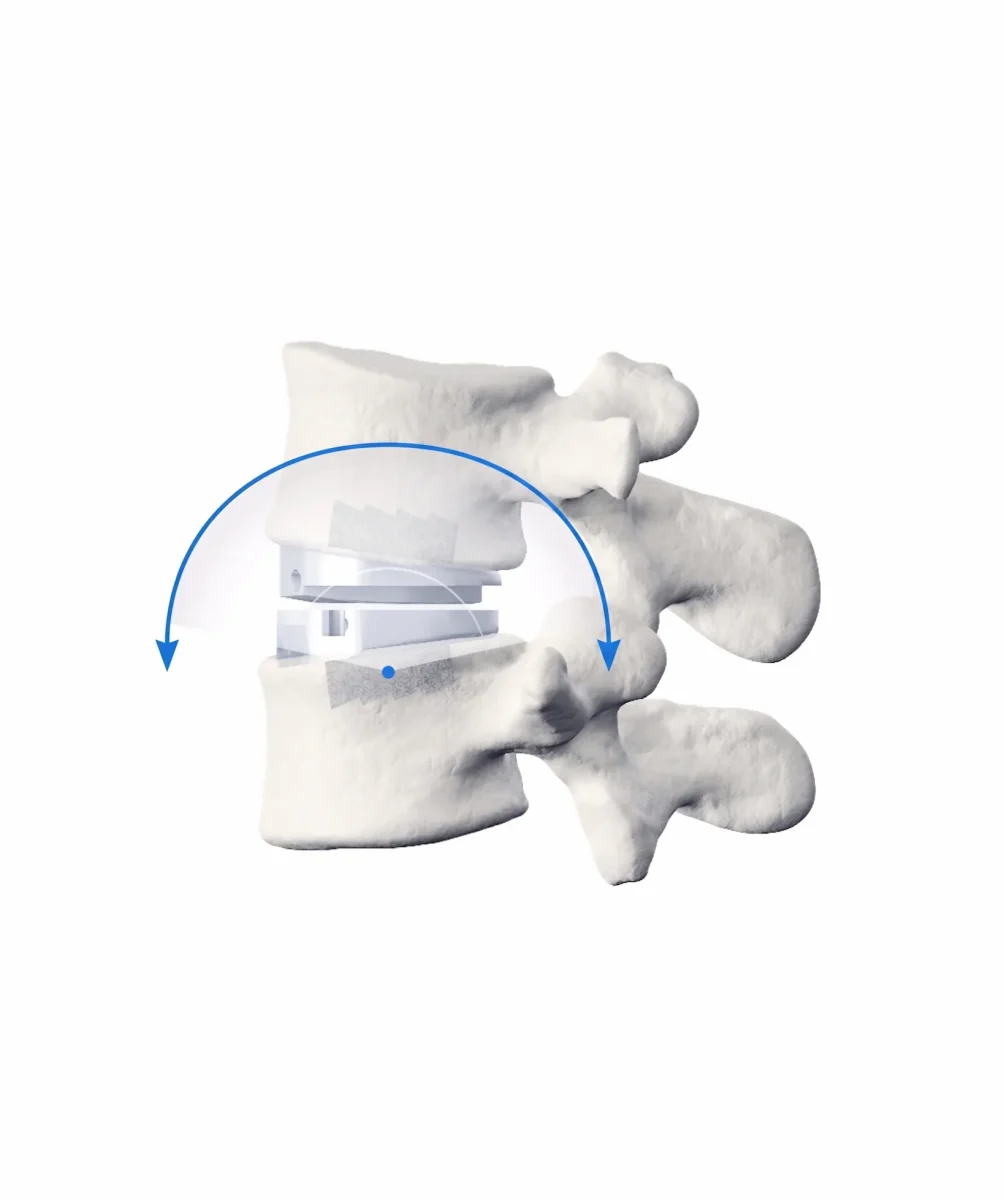
Prodisc® L is a mobility-preserving alternative to fusion, replacing the degenerated disc with an artificial one instead of fusing the segment.
The procedure aims to reduce discogenic pain, restore disc height, and preserve movement at the treated level.
The spine is accessed through a small anterior abdominal incision. This avoids dissecting the posterior paraspinal muscles (which will support rehabilitation afterwards).
As with any spinal surgery there are risks, and suitability can only be confirmed after a specialist has reviewed the client’s presentation and imaging.

Is this your client? A typical journey to lumbar disc replacement
Most people who come to us for a Prodisc® L replacement have spent years cycling through treatments that helped for a while, or not at all. Here is one patient’s path, month by month.
A common pattern we see
Pain begins
Pain starts suddenly or gradually worsens.
Failed treatments
Multiple treatments are tried, often with several discectomies and spinal injections, but they only help for a short time.
Findings progress
MRI changes become clearer before the right solution is found.

Nov 2022
Woke up with severe back pain and intermittent sciatica with no apparent cause

Jan 2023
Regular physiotherapy begins

Jan 2024
Two steroid injections which provided temporary relief

Feb-July 2024
Regular visits to a chiropractor which did not improve symptoms

May 2024
MRI scan identifies significant intervertebral disc degeneration followed by consultation with pain specialist who offered another steroid injection, which I declined

Nov 2024
Private spinal surgeon recommended spinal fusion, which I refused

Dec 2024
Second private spinal surgeon undertook further diagnostics and performed a discectomy, providing temporary relief for about 5 months

Apr 2025
Further disc degeneration identified by MRI scan

Jul 2026
Further disc degeneration identified by MRI scan, with worsening symptoms
Aug 2026
SpinePro confirmed I would be a good candidate for Prodisc® L total lumbar disc replacements at L5-S1 and L4-L5

Your Role in the Pathway
The referring clinician can stay involved from identification through to long-term recovery.
With the client’s consent, we work with you to maintain continuity of care and agree a rehab plan. Your role may include:
- Documenting symptoms, function, and how the client responds to conservative care
- Keeping them as active and well-conditioned as their pain allows
- Supporting realistic expectations and informed decisions as well as monitoring progress
- Prehabilitation before surgery, and graded rehabilitation afterwards
- Supporting the return to work, activity, and sport
The anterior approach preserves the posterior paraspinal musculature. But many clients will already have significant deconditioning before surgery, because pain has progressively limited their movement and activity.
Clients are generally mobilised early after surgery, with formal rehabilitation introduced and progressed on the surgical team’s guidance. The duration and intensity of rehabilitation depends on preoperative function, degree of deconditioning, the number of levels treated, and the client’s goals (those returning to demanding work or sport may need longer).
When to Consider a Referral
A specialist assessment may be appropriate where a client presents with:
- Lumbar pain that limits function and hasn’t improved with a proper course of conservative care
- Clinical signs of discogenic pain, with or without leg or sciatica symptoms
- Progressive loss of mobility and work capacity
- MRI degeneration that matches the clinical picture
- Symptoms that have returned after one or more previous discectomies
- An interest in understanding their surgical options
- A recommendation for spinal fusion from a surgeon, but they’d prefer a mobility-preserving alternative
A referral doesn’t commit the client to surgery. It gives them a specialist review of their symptoms, imaging, previous treatment and goals, then an honest discussion of suitability, alternatives, likely outcomes, and risks.
Suspected cauda equina syndrome, rapidly progressive neurological deficit, or other serious spinal pathology should continue to be managed through the appropriate urgent or emergency pathway.
Disc degeneration on MRI alone doesn’t establish suitability. Isolated radicular symptoms from a single focal herniation may need a different approach. Careful correlation of the clinical and radiological findings is essential.